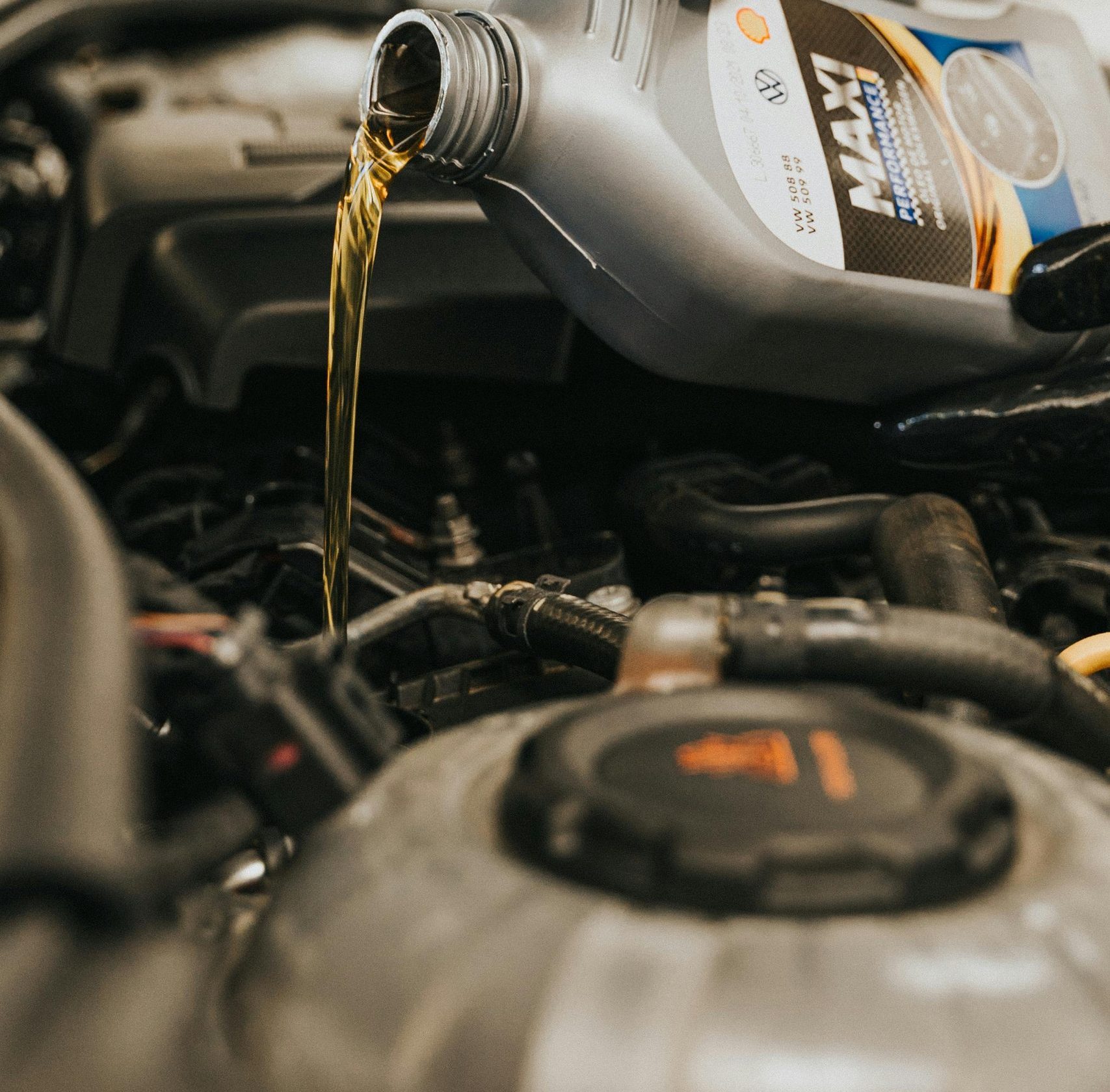
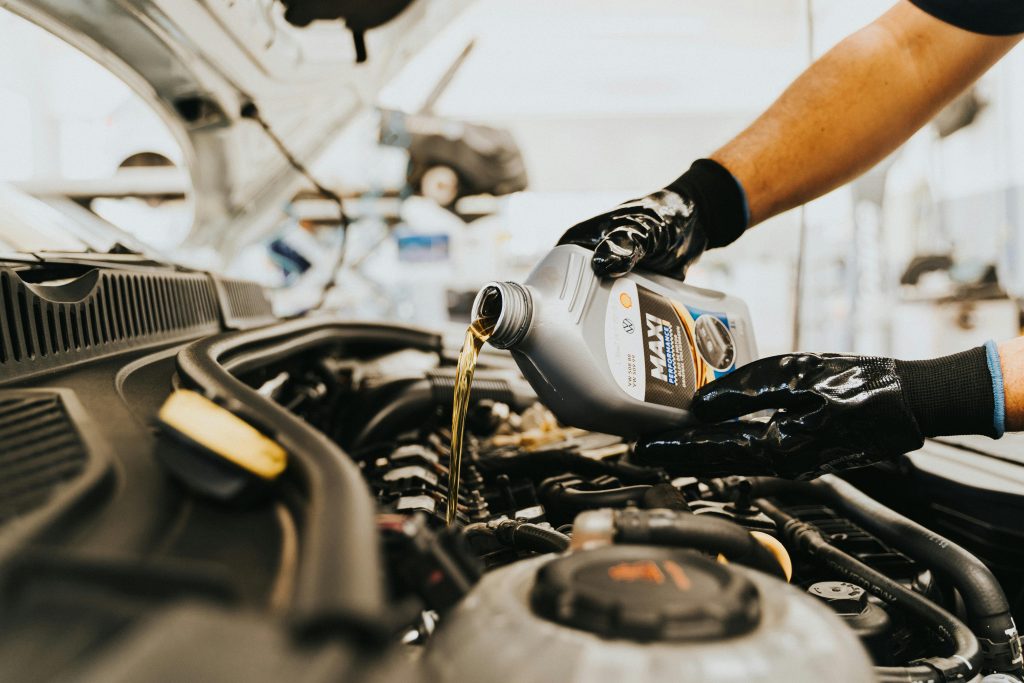
Oil changes are essential for protecting your engine. Most manufacturers recommend changing the oil every 5,000–10,000 km depending on the car type and oil quality.
Neglecting oil changes can cause overheating, friction damage, and even complete engine failure.
Vortex Auto Tip:
Check your oil level monthly and don’t wait for the warning light to turn on.
- 1Lubrication
Regular oil changes ensure that engine components are properly lubricated, reducing friction and wear. This helps maintain optimal performance and efficiency. - 2Heat Dissipation
Fresh oil helps dissipate heat produced during engine operation. This prevents overheating, which can lead to serious engine damage and costly repairs. - 3Contaminant Removal
Over time, engine oil accumulates dirt, debris, and contaminants. Changing the oil removes these harmful substances, protecting engine parts and enhancing longevity. - 4Improved Fuel Efficiency
Clean oil helps the engine run more smoothly, improving fuel efficiency. This means better mileage and reduced fuel costs over time. - 5Extended Engine Lifespan
Regular oil changes are crucial for maintaining engine health, ultimately extending the overall lifespan of your vehicle. A well-maintained engine runs more reliably and requires fewer repairs.
Ceramic coating is an advanced form of vehicle protection that significantly outperforms traditional waxing. It creates a durable, long-lasting barrier over your car’s paint, protecting it from environmental damage such as UV rays, bird droppings, road salt, and more. Not only does it enhance your vehicle’s appearance with a glossy finish, but it also makes maintenance easier and less frequent. When applied correctly and cared for properly, ceramic coating can maintain your car’s pristine look for years—saving you time, effort, and long-term costs.